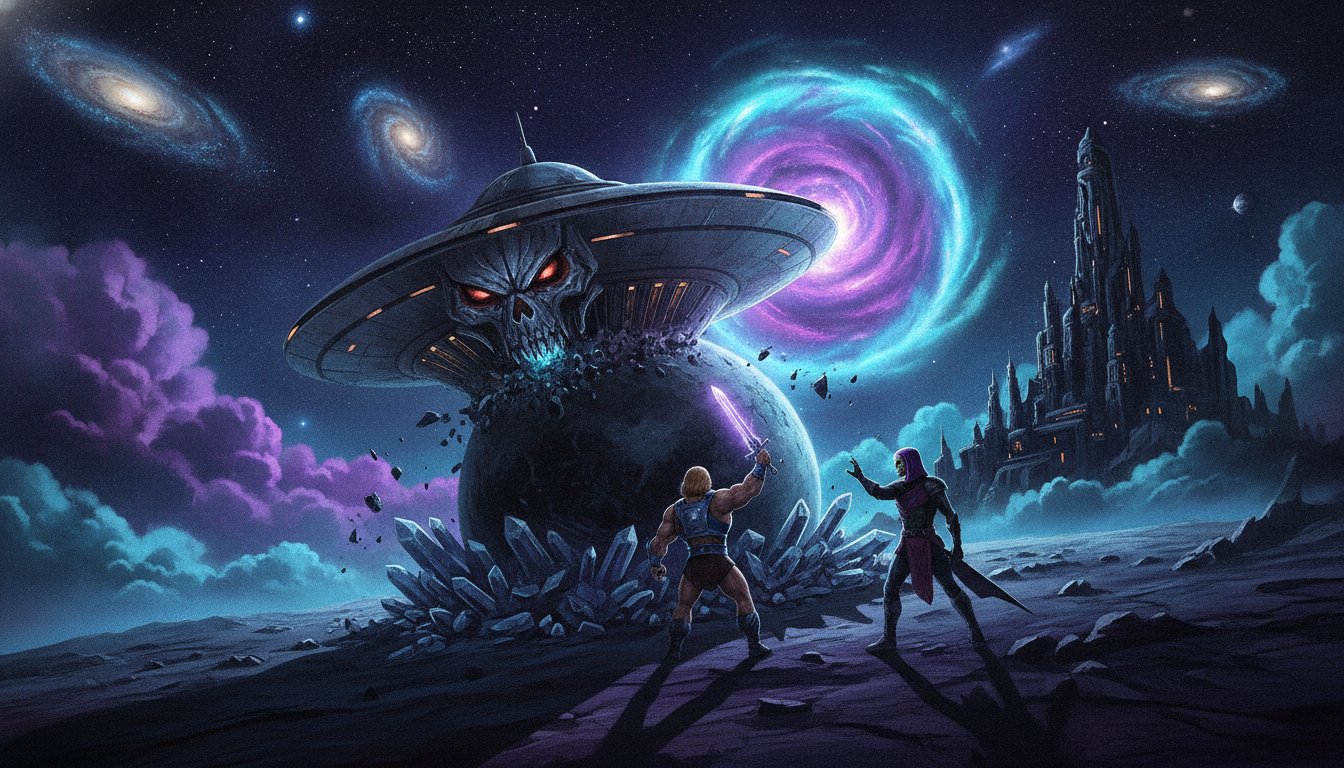
The Call of Eternia: An Era of Cosmic Power
For an entire generation growing up in the vibrant 1980s, the names He-Man, Skeletor, and Eternia resonated with an almost mythic power. "Masters of the Universe" wasn't just a cartoon; it was a cultural phenomenon built on a wildly successful Mattel toy line that captured the imaginations of millions. Kids would spend countless hours recreating epic battles with their action figures, the majestic Castle Grayskull playset, and could recite He-Man's iconic declaration – "I have the power!" – by heart. The promise of a live-action film adaptation in 1987, a grand cinematic journey to the heart of these space mysteries, was met with feverish anticipation.
Yet, what unfolded on the silver screen was a departure so profound that it left many fans bewildered. Instead of the familiar landscapes of Eternia and the vibrant cast of characters, audiences were treated to a vision that, while ambitious, felt alien to the very universe it sought to portray.
Earthbound Epic: Deviations from the Lore
The 1987 "Masters of the Universe" film, directed by Gary Goddard, presented a He-Man in the formidable form of Dolph Lundgren. While Lundgren possessed the physical prowess, his portrayal, along with the film's aesthetic, seemed disconnected from the beloved animated hero. Where was Orko, the lovable hovering wizard? Replaced by the eccentric Thenurian inventor Gwildor. Battle Cat and Prince Adam, He-Man's alter ego, were conspicuously absent. Instead of the Sword of Power being central to his transformation, He-Man frequently wielded a laser gun, reducing his legendary weapon to a mere prop.
The most significant departure, however, was the film's decision to largely transpose the conflict to Earth. While the lore subtly acknowledged He-Man's mother, Queen Marlena, as an Earth astronaut, this cinematic choice dramatically scaled down the cosmic phenomena and grand scope of Eternia. The action felt confined, lacking the otherworldly grandeur that fans expected, despite the best efforts of Star Wars effects veteran Richard Edlund. Human teenagers, played by a young Courteney Cox and Robert Duncan McNeill, found themselves inexplicably embroiled in a galactic conflict, further diluting the narrative's connection to its fantastical origins.
Cannon's Ambitious Gamble and Financial Peril
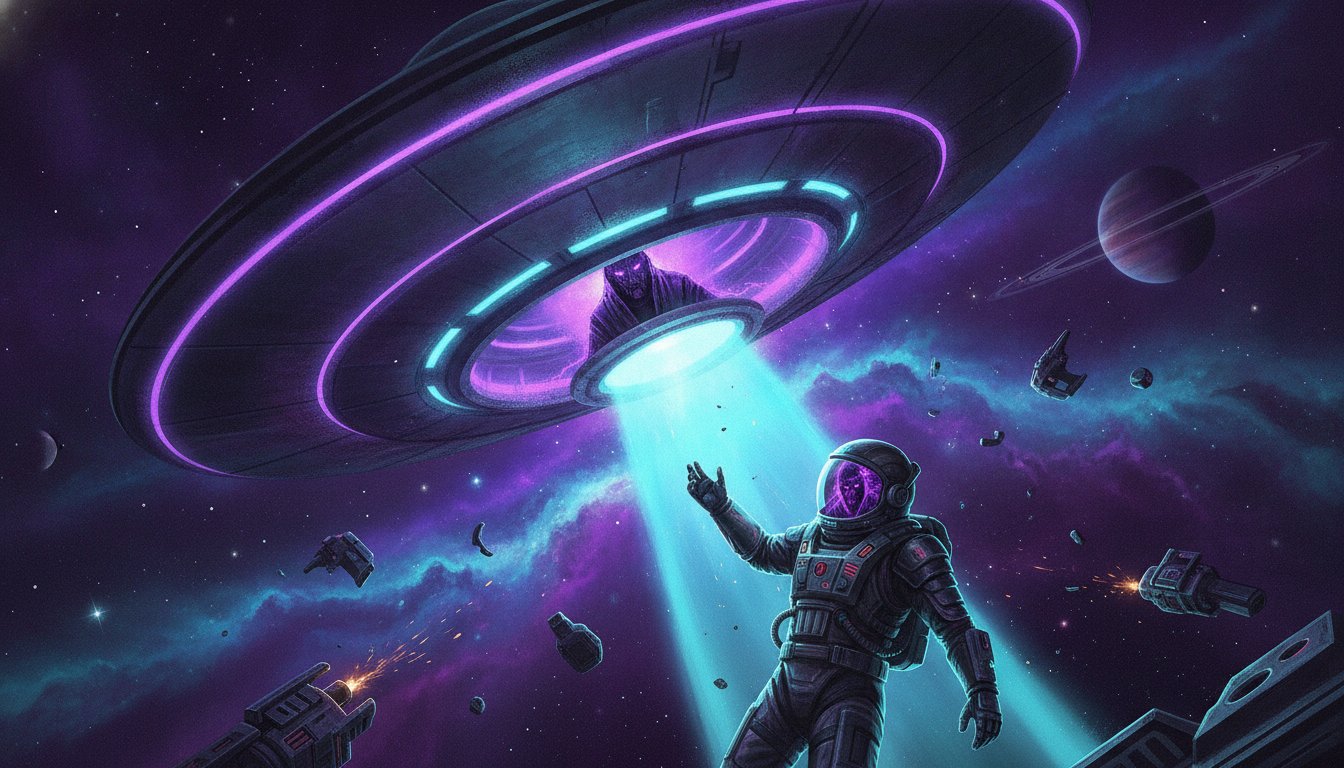
The story of the 1987 "Masters of the Universe" is inextricably linked to Cannon Films, an ambitious production company led by Israeli cousins Menahem Golan and Yoram Globus. Known more for their prolific output of B-movies – think Charles Bronson's Death Wish sequels or Chuck Norris vehicles – Cannon harbored aspirations of breaking into mainstream blockbuster territory. They saw the potential in "Masters of the Universe" as a tentpole release, much like they had with other ill-fated ventures such as Superman IV: The Quest for Peace and Sylvester Stallone's Over the Top.
Unfortunately, Cannon's financial state was precarious, stretched thin by an astounding forty films in various stages of production. The "Masters of the Universe" project was plagued by severe budgetary constraints from the outset. Director Goddard initially envisioned grand exteriors in Iceland to capture Eternia's alien vibe but was forced to settle for a few days at Vasquez Rocks, a common stand-in for alien worlds in Star Trek near Los Angeles, at the tail end of production.
Casting, Production Woes, and a Last-Minute Save
Dolph Lundgren, fresh from Rocky IV, was a reluctant He-Man, his dialogue reportedly trimmed by Goddard to enhance his stoic, Eastwood-esque persona. In contrast, Frank Langella's portrayal of Skeletor was widely praised, a darker, more calculating villain far removed from the cartoon's often comically thwarted antagonist. Langella, buried under impressive makeup, relished the opportunity, providing a compelling performance despite the film's other issues.
The budgetary struggles intensified, reaching a critical point on the final scheduled day of shooting. The plug was pulled at midnight, leaving Goddard without crucial coverage. In a desperate move to ensure the film had a proper ending, Goddard personally contributed $50,000, matched by Cannon, to fund one last day of shooting for the climactic battle. This desperate measure underscores the studio's chaotic financial management.
The Aftermath: A Legacy Forged in Disappointment
Upon its release, "Masters of the Universe" garnered a disappointing $17.3 million at the US box office, ranking a mere 65th in 1987, falling short even of the infamous Jaws: The Revenge. It failed to be the financial savior Cannon Films desperately needed. The studio, having already sold off large portions of its film library, spiraled towards bankruptcy, releasing its final film in 1994. While Lundgren himself retrospectively considered it a "decent picture" compared to other Cannon outputs like Superman IV, its commercial failure was undeniable.
Despite its flaws and box office struggles, the 1987 "Masters of the Universe" film remains a fascinating, if problematic, piece of cinematic history. It stands as a testament to both the ambitious spirit of '80s filmmaking and the perils of adapting beloved franchises without fully grasping their core essence. For many, it serves as a nostalgic reminder of a simpler time, albeit one where the power of Grayskull struggled to translate effectively to the big screen, becoming its own unique space mystery for fans to ponder.
0 Comments
Login to leave a comment.