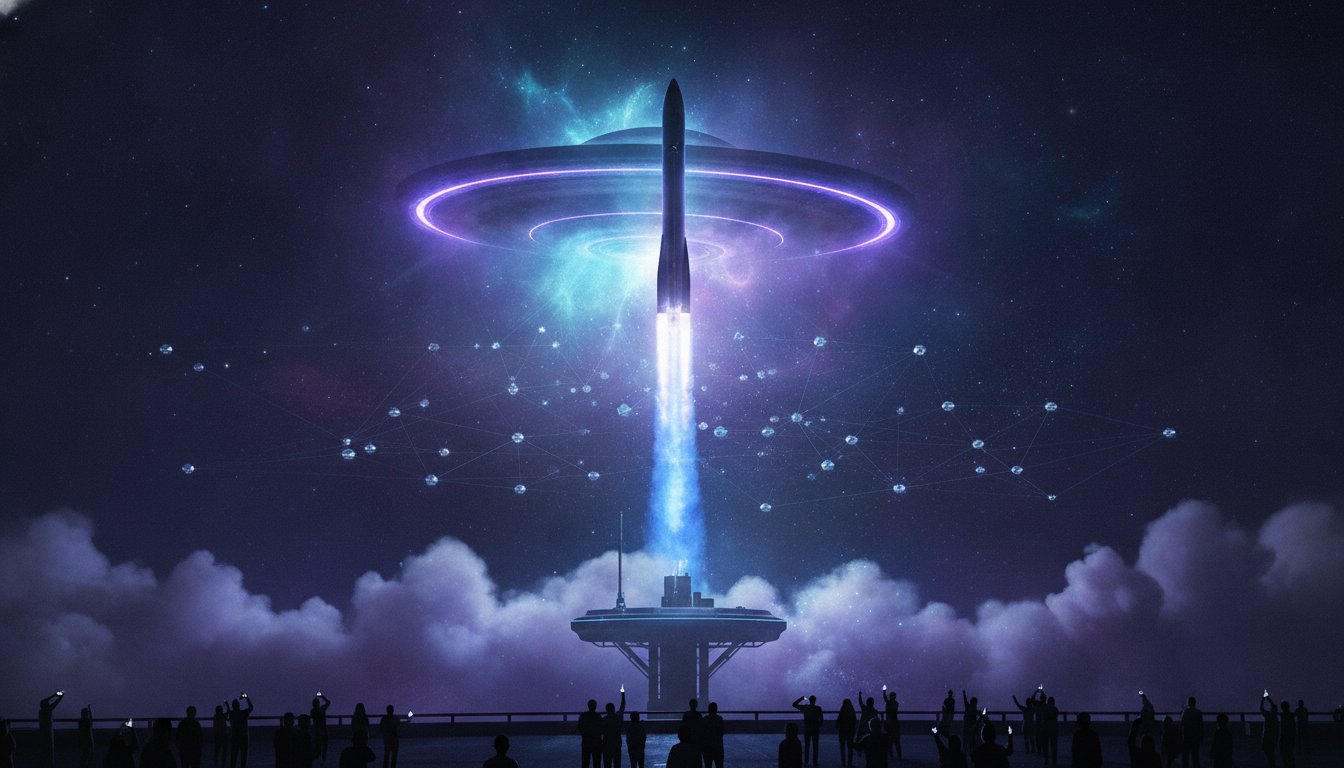
SpaceX Propels Humanity's Reach: Latest Starlink Launch Illuminates Future of Global Connectivity and Space Exploration
SpaceX continues to push the boundaries of what's possible in space exploration, consistently advancing humanity's ambition to conquer the cosmos and connect every corner of our planet. On August 11, another significant chapter unfolded as the company successfully deployed a new batch of 29 Starlink internet satellites, reinforcing the vision of a globally connected world and underscoring the marvels of reusable rocketry.
The mission, originating from Florida's iconic Cape Canaveral Space Force Station, saw a Falcon 9 rocket ascend into the sky at 11:58 a.m. EDT (1558 GMT). This event marked another step in building the vast Starlink constellation, designed to deliver high-speed broadband internet to users worldwide, especially in underserved regions.
A Testament to Reusability: Booster B1085's Enduring Legacy
Beyond the immediate goal of satellite deployment, this launch celebrated an extraordinary feat of engineering and sustainability: the 18th flight of the Falcon 9's first stage booster, designated B1085. Roughly 8.5 minutes after liftoff, the booster executed a flawless, pinpoint landing on the autonomous droneship "A Shortfall of Gravitas" in the Atlantic Ocean. This routine yet spectacular maneuver highlights SpaceX's revolutionary approach to spaceflight, drastically reducing costs and increasing launch frequency through reusability.
Booster B1085's extensive flight heritage is particularly noteworthy. While Starlink missions constitute a significant portion of its career, this workhorse booster has also been instrumental in critical astronaut missions. It famously propelled SpaceX's Crew-9 flight to the International Space Station in September 2024, demonstrating its reliability for human spaceflight. Just six months later, it launched the Fram2 mission, which ventured around Earth's poles, further showcasing its versatility and robust performance across diverse orbital requirements. This track record cements B1085's place as a cornerstone of sustainable space exploration.
Building the Orbital Network: The Starlink Vision and Future Horizons
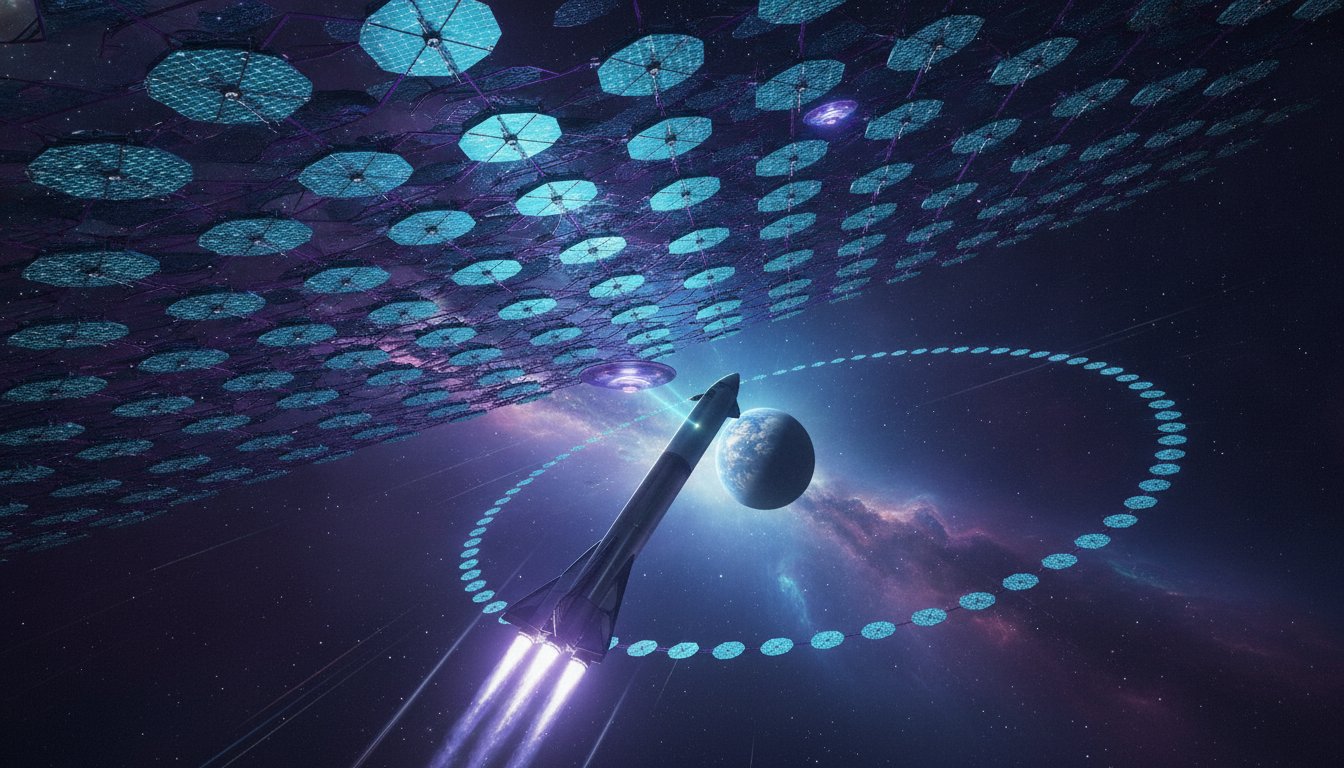
As the Falcon 9's upper stage deployed the 29 Starlink satellites into low Earth orbit (LEO) 64 minutes after liftoff, the broader implications of this growing network came into sharp focus. Starlink is a global infrastructure project, reshaping how the world accesses information and interacts with the vastness above.
According to astrophysicist Jonathan McDowell, the Starlink constellation already boasts over 10,900 active satellites, making it the largest satellite constellation ever assembled. Yet, SpaceX's ambitions extend far beyond its current impressive scale. The company envisions an even grander future, planning to operate an astounding 100,000 of its next-generation Starlink V3 satellites, which promise enhanced capabilities and greater throughput. Elon Musk has also articulated an audacious goal: to launch a million AI data center satellites into Earth orbit, hinting at a new paradigm for data processing and connectivity and potentially unlocking new frontiers in scientific discovery and our understanding of 'space mysteries'.
Pacing the Cosmos: SpaceX's Unprecedented Launch Cadence
Today's liftoff marked the 93rd Falcon 9 launch of the year, an astonishing pace that underscores SpaceX's dominant role in commercial spaceflight. A substantial 72 of these missions were dedicated to expanding the Starlink network, demonstrating the sheer logistical and engineering prowess required. This rapid cadence represents a qualitative shift in humanity's ability to access and utilize low Earth orbit, paving the way for further 'space exploration' and scientific endeavors.
Beyond Connectivity: The Broader Implications
The rapid deployment of Starlink satellites has profound implications reaching far beyond mere internet provision. It promises to bridge digital divides, provide critical communication infrastructure during emergencies, and support scientific research in remote locations. This extensive orbital network also serves as a critical stepping stone for more ambitious human endeavors in space, including lunar and Martian missions, by establishing reliable communication links. As we continue to populate LEO with such advanced technology, it raises fascinating questions about humanity's long-term presence off-world and our evolving relationship with the cosmos, constantly revealing new 'space mysteries' to unravel.
Each SpaceX launch, particularly those contributing to Starlink, is a testament to human ingenuity, perseverance, and the collective drive to expand our horizons, both on Earth and among the stars.


0 Comments
Login to leave a comment.