The Echoes of Identity: Star Trek's Enduring Fascination with Doppelgangers, Clones, and Parallel Selves
MINIMAL SPOILERS AHEAD for Strange New Worlds Season 2, Episode 6, "A Case of Chiaroscuro".
The latest installment of Star Trek: Strange New Worlds, titled "A Case of Chiaroscuro," has once again brought a classic sci-fi trope to the forefront: the doppelganger. In an intriguing plot twist, Una Chin-Riley, also known as Number One, finds herself inhabiting an alien world where she bears an uncanny resemblance to the leader of a local resistance movement. While Dr. M'Benga muses on the sheer probability of encountering one's double in a universe as vast as ours, Star Trek has consistently demonstrated that these encounters are rarely a matter of mere chance. Instead, they are often a profound exploration of identity, morality, and the very nature of existence, rooted in complex space mysteries and advanced extraterrestrial technologies.
Transporter Troubles: Duplication by Design (or Malfunction)
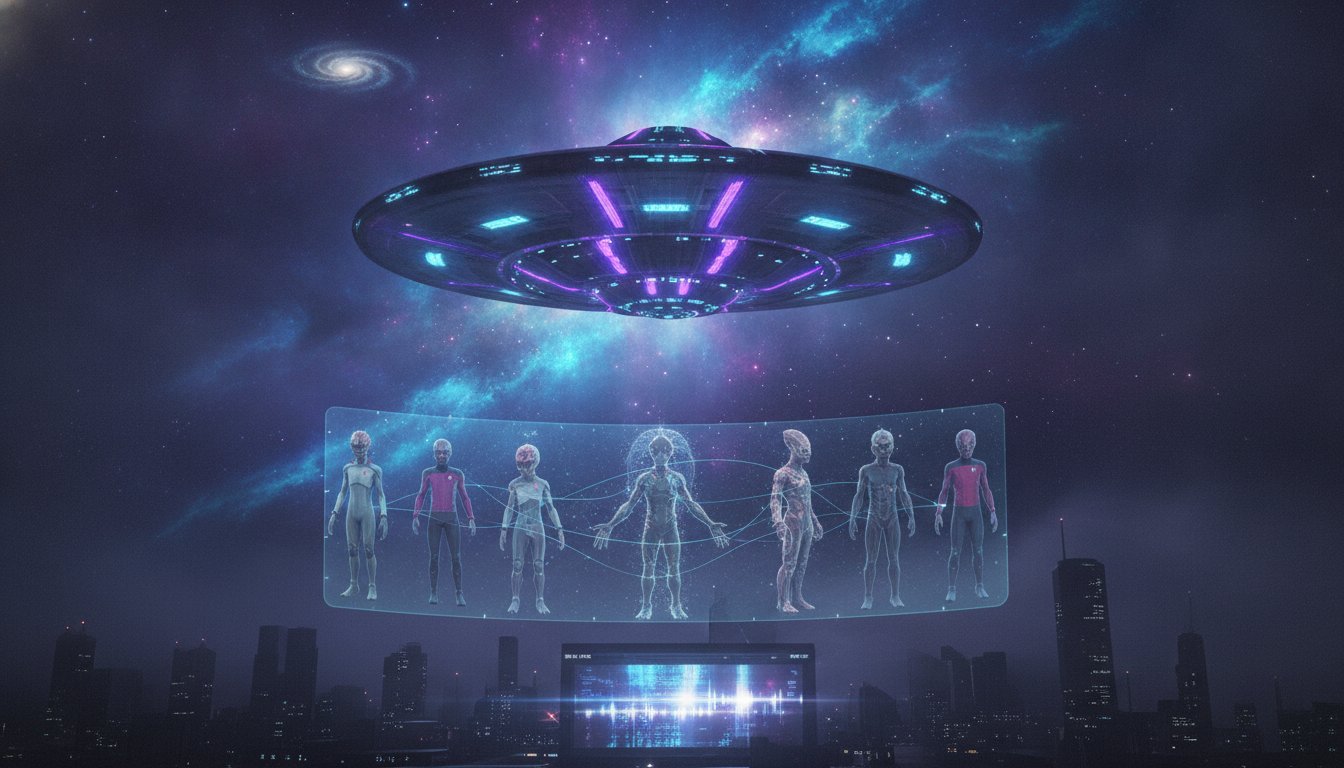
One of the most iconic sources of doppelgangers in Star Trek lore is the transporter. Designed to break down and reassemble individuals atom by atom, this cornerstone of Starfleet technology has, on several occasions, gone awry, creating duplicates. These aren't just mere copies; they often possess distinct personalities or even fundamental differences from their 'originals.'
- Captain Kirk's Duality: In The Original Series episode "The Enemy Within," a transporter malfunction famously splits Captain James T. Kirk into two distinct entities: one embodying his good, compassionate side, and the other his aggressive, ruthless nature. This metaphysical splitting forces Spock and the crew to confront the notion that a complete being requires the integration of both light and shadow.
- Riker's Second Chance: Star Trek: The Next Generation's "Second Chances" introduced Thomas Riker, a duplicate of Commander Will Riker created eight years prior by a beaming error. Thomas, having lived in isolation, struggles to find his place, ultimately opting for a path independent of Starfleet, joining the Maquis resistance. This episode deeply explored themes of individuality and the right to a distinct life even for a clone or duplicate.
- Boimler's Bizarro World: Even in the animated series Lower Decks, Bradward Boimler's double, William, emerges from a similar transporter glitch. William, surprisingly, proves to be more resourceful, eventually ascending to captaincy of a top-secret Section 31 vessel populated by doppelgangers from parallel universes sci-fi.
The Multiverse and the Mirror Universe: Alternate Realities
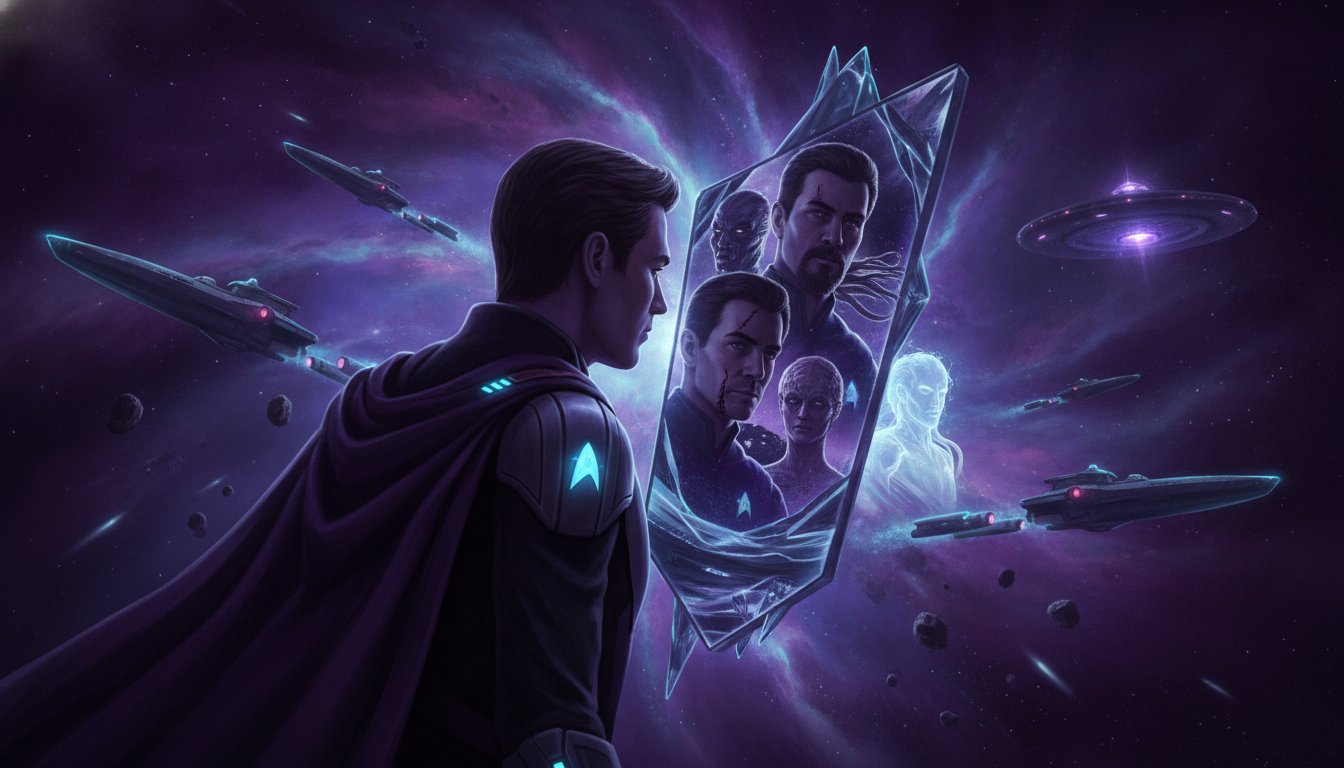
Beyond transporter mishaps, Star Trek's expansive narrative has frequently delved into the concept of parallel universes, offering fertile ground for encounters with alternate selves. The idea that infinite realities exist, each with subtly (or dramatically) different timelines, provides a rich tapestry for exploring what-if scenarios.
- Harry Kim's Unfortunate Swap: In Voyager, Ensign Harry Kim's fate takes a bizarre turn when the crew inadvertently swaps out their original Harry for an alternate version from a slightly out-of-phase USS Voyager. While tragic for the original (who perished in the vacuum of space), it offered a unique continuation for the character and actor Garrett Wang.
- The Infamous Mirror Universe: Perhaps the most famous example of parallel selves comes from the notorious Mirror Universe. First introduced in The Original Series, this dimension presents a Terran Empire that is the brutal, militaristic antithesis of the Federation. Characters like Spock, Sisko, Archer, and Janeway have all come face-to-face with their morally dubious counterparts, often identifiable by tell-tale signs like Mirror Spock's iconic goatee. These encounters serve as powerful allegories for power, corruption, and the choices that define heroism.
Shapeshifters and Clones: Deception and Duplication
Not all doppelgangers are accidental or dimensional. Some are the product of deliberate deception or scientific replication, adding layers of intrigue and danger to UFO sightings and alien contact scenarios within the Trek universe.
- Marta's Impersonation: In Star Trek VI: The Undiscovered Country, the Chameloid Marta takes on Captain Kirk's form, leading to a memorable, if unsettling, self-dialogue. This highlights the psychological discomfort of confronting one's own image used for nefarious purposes.
- The Changelings of the Dominion: The formidable Founders, a race of sentient shapeshifters, proved to be particularly challenging adversaries in Deep Space Nine. Their ability to perfectly replicate any individual, from Dr. Bashir to General Martok, created widespread paranoia and tested the very trust within Starfleet and its allies, showcasing the ultimate threat of identity theft.
- Shinzon: Picard's Tragic Clone: Star Trek: Nemesis presented Shinzon, a clone of Captain Jean-Luc Picard created by Romulan scientists with the intent to infiltrate the Federation. While the film's casting decision (Tom Hardy as a young Picard) raised some eyebrows regarding believability, Shinzon represented the ethical quandaries of cloning and the tragic fate of a being created without agency.
From philosophical dilemmas about identity to thrilling espionage plots, Star Trek's long-running exploration of doppelgangers, clones, and alternate selves remains a cornerstone of its narrative genius. It consistently reminds us that in the vastness of the cosmos, the greatest mysteries often lie within ourselves and the infinite variations of who we could be.
0 Comments
Login to leave a comment.