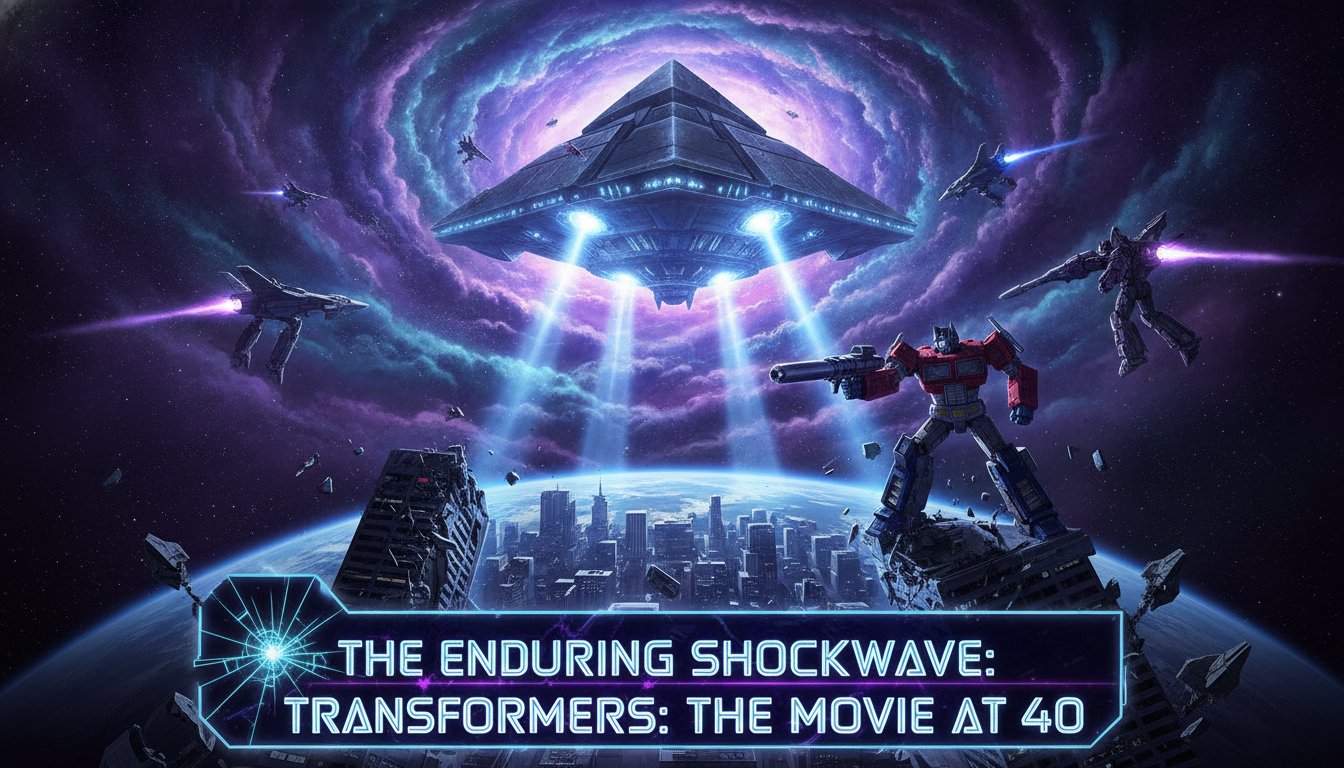
The Enduring Shockwave: "Transformers: The Movie" at 40
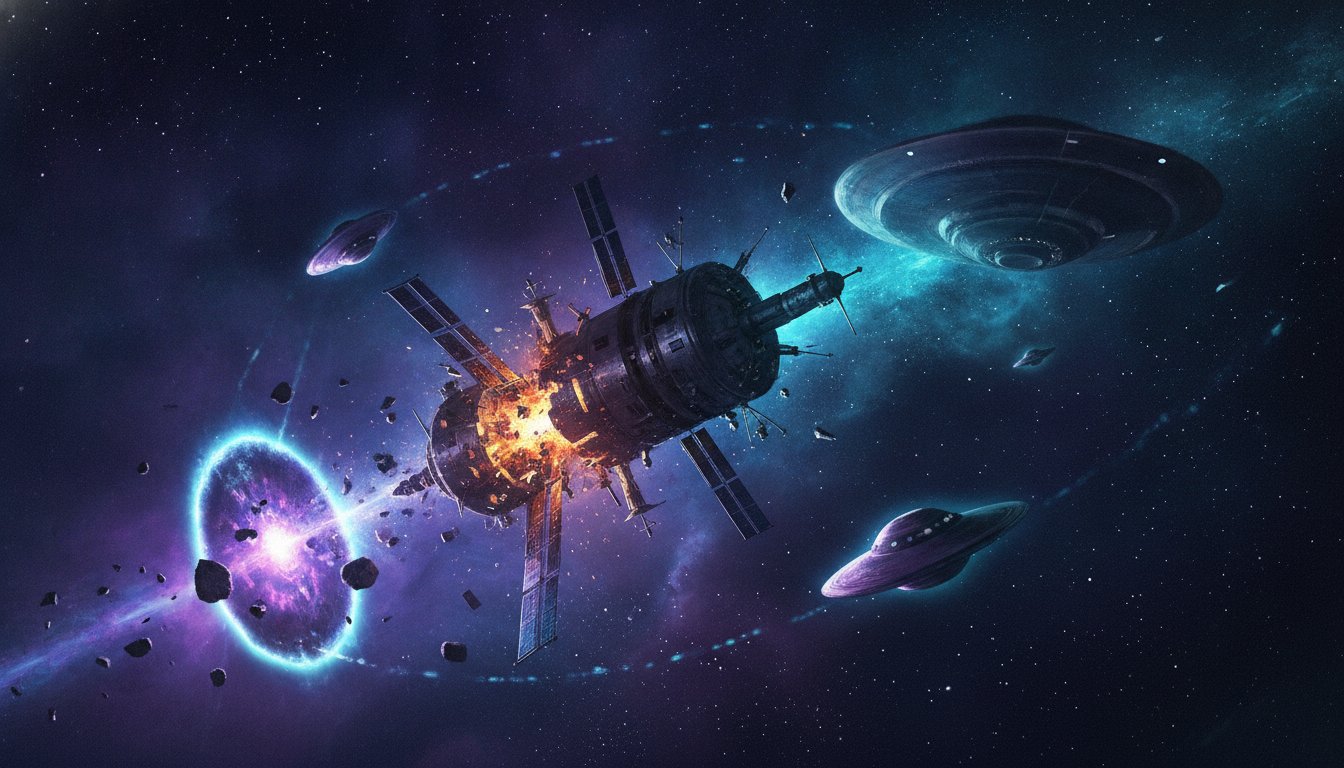
Forty years ago, a generation of young fans walked into cinemas, expecting an extended adventure with their beloved Autobots and Decepticons. What they received was an unforeseen cinematic trauma: "Transformers: The Movie," an animated spectacle that, in its brutal opening act, decimated much of the established cast. It was 1986, and while adults grappled with the more nuanced deaths in "Star Wars," children were confronted with a visceral "bloodbath of sentient machines" – a sequence that would forever alter their perception of their favorite extraterrestrial races locked in an endless space mystery.
The film didn't pull its punches. Beloved characters like Ironhide and Ratchet met swift, irreversible ends. Even the treacherous Starscream, a long-standing antagonist, was dispatched. But the most profound shock came with the demise of Optimus Prime, the noble leader of the Autobots, who fell in a grueling battle against his arch-nemesis, Megatron. For many, this was not just a plot point; it was a deeply disturbing experience that imprinted itself on young psyches, leading to tears in theaters and, in some extreme cases, children locking themselves in their bedrooms in grief.
Hasbro's Bold (and Brutal) Commercial Gambit
While the emotional fallout was immense, toy manufacturer Hasbro had a calculated, if controversial, motive behind this widespread character cull. The wildly popular "Transformers" TV show, which debuted in 1984, served primarily as a commercial for its best-selling toy line. By 1986, however, the original lineup of alien robots was becoming stale. Children already owned the first wave of figures, and Hasbro saw an opportunity to refresh the brand. The theory was simple: eliminate the old to make way for the new.
Director Nelson Shin, who had previously contributed to animating the iconic lightsabers in "Star Wars," revealed in a 2011 interview with SFX magazine that the story was largely dictated by merchandising needs. "They created the story using characters that could best be merchandised for the movie," Shin stated. This commercial imperative granted him the freedom to dramatically alter the storyline, including the visual transformation of Optimus Prime's colors to gray upon his death, symbolizing the departure of his life force.
Screenwriter Ron Friedman, though skeptical of killing Optimus Prime, was reportedly assured by Hasbro of "great things planned." Yet, many on the production team were surprisingly unaware of the emotional devastation they were about to unleash. Story consultant Flint Dille candidly admitted on the film's DVD, "We didn't know that [Optimus Prime] was an icon. It was a toy show. We just thought we were killing off the old product line to replace it with new products." The subsequent wave of angry letters and crying children quickly disabused them of this notion.
A Cosmic Scope: Plot, Production, and Voice Talent
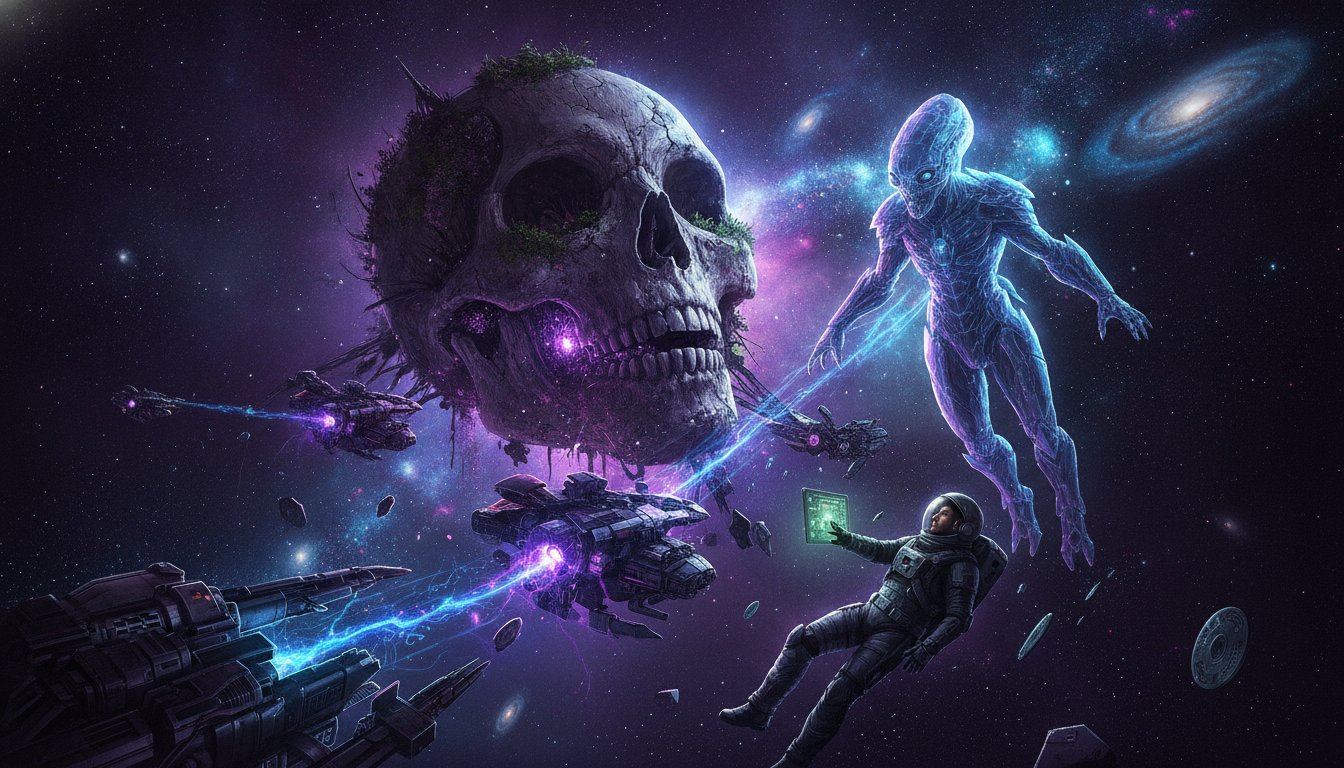
Despite its flaws and the marketing-driven character extermination, "Transformers: The Movie" showcased a storytelling ambition rarely seen in Hollywood animation of its era. Set in 2005, two decades after the original series, the narrative plunged viewers into a grimmer future where the Decepticons controlled Cybertron and the Autobots were fighting for survival. The film introduced a grander space mystery in the form of Unicron, a planet-sized extraterrestrial entity with a hunger for worlds, akin to Marvel's Galactus. Unicron's need for the Autobots' Matrix of Leadership led him to transform a defeated Megatron into the formidable Galvatron, setting the stage for an epic, if chaotic, confrontation across the galaxy.
The film was also a considerable technical achievement for its time. Shin and his team faced immense pressure and tight deadlines, with every frame meticulously hand-drawn. The 85-minute runtime was packed with fast-paced laser battles and encounters with a dazzling array of robotic lifeforms inhabiting the cosmos, including the enigmatic, five-faced Quintessons and the junk-dwelling Junkions, whose leader, Wreck-Gar, was voiced by Monty Python's Eric Idle.
The voice cast was surprisingly star-studded, a detail largely lost on its young target audience in 1986. Leonard Nimoy ("Star Trek") lent his distinctive voice to Galvatron. Judd Nelson ("The Breakfast Club") played the reckless Hot Rod, while Robert Stack ("Airplane!") took on the serious Ultra Magnus. The biggest name, however, was a bona fide Hollywood legend: Orson Welles, in his final performance, as the terrifying Unicron. Welles, though professional, reportedly complained to a friend, "I played the voice of a toy… I menace somebody called something-or-other. Then I'm destroyed."
From Box Office Flop to Cult Classic
The filmmakers reportedly spent a significant portion of their $6 million budget on a pulsating 80s hair metal and power ballad soundtrack, featuring Stan Bush's iconic "The Touch." In hindsight, many of these creative decisions, including the character purge and the shift in tone, proved challenging for a fanbase expecting a simple extension of their beloved TV show. "Transformers: The Movie" struggled at the box office, overshadowed by other summer blockbusters like "Aliens" and "Flight of the Navigator."
However, four decades later, the film has undergone a remarkable transformation, shedding its initial commercial disappointment to become a cherished cult classic. While casual fans might still recall Optimus Prime and Bumblebee, the movie introduced enduring characters like Rodimus Prime and Arcee (the first female Autobot), cementing its place in the franchise's lore.
Ultimately, Optimus Prime's death, though shocking, was not permanent; he made an inevitable comeback in the subsequent TV season. This reflects a modern pop culture reality where character death is often temporary. As "Transformers: The Movie" returns to theaters for its 40th anniversary re-release on September 17, it stands as a testament to a bold, if commercially driven, storytelling experiment that left an indelible mark on cinematic animation and a generation of young viewers.
0 Comments
Login to leave a comment.