The Cosmic Countdown: Three Days Until the August 2026 Total Solar Eclipse
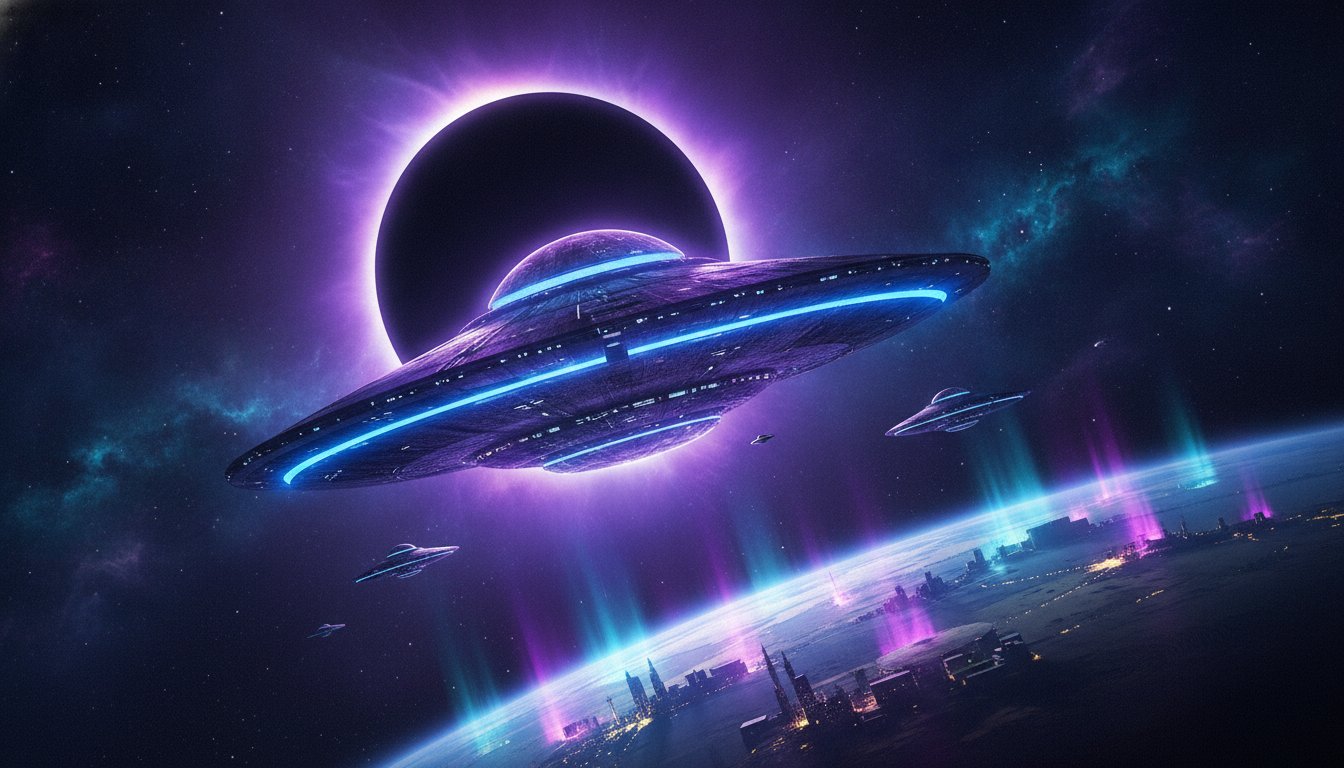
In just three days, on August 12, 2026, the skies above parts of our planet will host one of nature's most profound and breathtaking celestial events: a total solar eclipse. This rare alignment, where the Moon perfectly obscures the Sun, casts a fleeting shadow across Earth, transforming daylight into an ethereal twilight and revealing the Sun's magnificent corona. As the world gears up for this extraordinary astronomical phenomenon, preparations are in full swing across the path of totality, from the icy frontiers of the Arctic to the sun-drenched landscapes of Spain.
The Anatomy of Totality: A Dance of Light and Shadow
While the entirety of a solar eclipse can last for hours, the breathtaking moment of totality—when the Sun is completely hidden—endures for only a few precious minutes. Yet, within this brief window and the preceding partial phases, a cascade of dramatic effects unfolds:
- First Contact: The moon begins its slow encroachment on the sun's disk, marking the start of the partial eclipse. This stage requires certified eye protection for safe viewing.
- The Diamond Ring Effect: Just moments before totality, as the last sliver of sunlight vanishes, a brilliant bead of light flashes through a lunar valley, creating a dazzling 'diamond' on a fiery 'ring' formed by the solar corona. This is a telltale sign that totality is imminent.
- The Solar Corona Revealed: During totality, with the sun's direct light blocked, its ethereal outer atmosphere—the corona—becomes visible. This shimmering, pearly halo, usually hidden by the sun's brilliance, is a sight of unparalleled beauty and one of the most compelling reasons astronomers and skywatchers chase these events around the globe.
- Third Contact: As the moon begins to move away, another diamond ring effect can be seen, signaling the end of totality and the return of the sun's direct light. Eye protection must be immediately reapplied.
Each stage offers unique insights into our solar system's mechanics and showcases the dynamic interplay between Earth, Moon, and Sun, reminding us of the profound space mysteries above.
A Global Spectacle: Where to Witness the Eclipse Path
The August 12, 2026, total solar eclipse offers a distinct viewing path. Millions across specific regions of Greenland, Iceland, and Spain are poised to experience the full grandeur of totality. For those outside this narrow corridor, a partial solar eclipse will still be visible, offering a captivating, albeit less dramatic, experience. However, for some locations, the celestial lottery will yield no eclipse at all. Enthusiasts are urged to consult visibility maps and apps to ascertain what they will witness from their specific coordinates.
Expert Expeditions and Citizen Science Initiatives
Coverage of this momentous event will span continents, with dedicated skywatching experts positioned at prime locations. Daisy Dobrijevic, Skywatching Editor, is embarking on a remarkable expedition aboard HX Expeditions' MS Spitsbergen, sailing from Svalbard, Norway, to East Greenland. From the remote and pristine Arctic, she will be reporting live, offering a unique perspective on the eclipse against a backdrop of ice and vast northern skies.
Concurrently, Anthony Wood, Skywatching Writer, will be reporting from Valoria la Beuna in northern Spain. He is joining the Distributed Eclipse Broadcast (DEB) initiative, a citizen science project aimed at broadening the observational data collected during the eclipse. His mission will be particularly captivating as he attempts to witness totality with the eclipsed sun hanging low above the western horizon, shortly before sunset – an exceptionally dramatic visual.
Paramount Importance: Safe Solar Viewing
Regardless of your location along the eclipse path, safe viewing practices are non-negotiable. Staring directly at the sun, even a partially eclipsed one, without proper protection can cause severe and permanent eye damage.
- Certified Eclipse Glasses: Essential for viewing any partial stage. Ensure your glasses meet the ISO 123-12 - 2 international safety standard. Obtain them from reputable dealers and inspect them thoroughly for scratches or damage; never use compromised eyewear.
- Alternative Projection Methods: If certified glasses are unavailable, simple pinhole projectors crafted from household items offer a safe and engaging way to observe the sun's projected image.
- During Totality: Only during the brief period of 100% totality is it safe to remove eye protection to behold the sun's corona directly. As soon as the sun's direct light reappears, even a sliver, protection must be immediately put back on.
Clouds or Clear Skies? The Cosmic Lottery
A perennial concern for eclipse chasers is the weather. While a perfectly clear sky is the ideal scenario, a total solar eclipse doesn't necessarily get "ruined" by clouds. Thin cloud cover can still allow many of the dramatic effects, such as the eerie dimming of light and the visibility of the corona, to penetrate. The profound shift in ambient light and temperature, along with the unique shadow bands that sometimes appear, can still provide an unforgettable experience, even if the direct view is partially obscured.
As August 12, 2026, draws near, the excitement is palpable. This celestial ballet serves as a powerful reminder of the universe's grandeur and our place within it. Prepare safely, embrace the moment, and join millions in witnessing one of the cosmos's most spectacular displays.
0 Comments
Login to leave a comment.